

A home lift is often priced as if it were a single product: pick a model, pick a size, get a number. In a New Zealand home, the lift is only one part of the spend. The bigger swings usually come from what the house needs around it, and what your site makes possible.
Whether you are planning a future-ready family home or adapting for accessibility, it helps to look past the brochure and think like a builder, an electrician, and a consent officer at the same time.
The house you have (or the house you’re building) sets the baseline
New builds can be cost-efficient because the lift can be designed in from day one. You can place it where it best supports the floor plan, set out clean vertical lines, and coordinate structural support early. That usually means fewer compromises and less rework.
Retrofits are a different story. You are fitting a precise piece of engineering into a structure that was never drawn with it in mind. Sometimes it drops neatly into a double-height void or a generous stairwell. Sometimes it asks for relocated services, trimmed joists, reframed walls, and a new opening where you least want one.
Even within retrofits, the gap can be wide. A two-storey home with a clear route can be straightforward. A split-level home on a slope, or a home with complicated roof geometry above the proposed lift line, can push building scope quickly.
Structural work is often the real cost driver
Before a lift arrives on site, someone has to make a safe, code-compliant place for it to live. That might include a shaft, support framing, floor penetrations, and fire or acoustic treatments depending on the design. Seismic considerations matter in New Zealand too, and the lift structure needs to behave predictably in an earthquake.
If you are creating a new shaft inside the home, you may also be dealing with weather-tightness if the lift forms part of an external wall line, or if cladding is being altered. If the lift is placed externally, the structure can start to resemble a small addition, with all the usual requirements around foundations, drainage, and exterior finishes.
After a paragraph like this, it can help to separate typical building scope into a simple list:
- New shaft framing and linings
- Cutting and trimming floor openings
- Foundation or slab work
- Fire stopping and acoustic treatment
- Making good: plastering, painting, flooring repairs
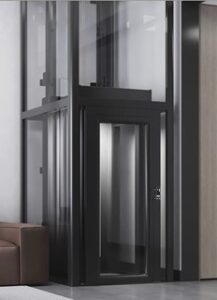 Consents, drawings, and engineering sign-off add time and money
In many cases, a lift installation will require building consent. The consent pathway depends on the configuration, the extent of structural change, and local council expectations. Even when the lift itself is a known quantity, the documentation still takes time.Costs here are rarely dramatic on their own, yet they can change the timeline. Architectural drafting, structural engineering, and council processing fees are part of the total picture. Inspections may also need to be coordinated across multiple trades, which can affect labour costs if site time stretches out.A practical approach is to treat the consent phase as a project stage, not a formality. Early documentation tends to prevent rushed decisions later, especially when floor openings, beams, or bracing lines are involved.
Electrical supply and building services: small items that add up
A home lift needs reliable power, correct isolation, and tidy integration with the home’s electrical system. In a new build, the switchboard can be specified with the lift in mind. In an older home, it might require upgrades, spare capacity, or a new run of cabling that is longer or harder to route than expected.If your lift design includes battery lowering or backup features, or if you want emergency lighting and alarm systems beyond the basics, that can influence both electrical scope and commissioning. Some homeowners also choose to improve lighting, ventilation, or smoke alarm coverage near the lift area at the same time, which can be sensible while walls are open.
In rural areas, power quality and supply constraints can be part of the conversation. It is not a blocker, but it is best checked early.
Travel height, number of stops, and door layout shape the surrounding build
People often assume the number of floors is the only “size” variable. The real driver is travel height and how the lift interfaces with each level.A lift that serves two levels in a compact plan may need minimal alteration. Add a third stop, or extend travel to a higher ceiling height, and you might need a taller shaft, different structural support, and more finishing work. Door placements matter too. A door that opens onto a hallway might be easy. A door that opens into a tight corner may trigger a rethink of walls, wardrobes, or stairs.
Here is a high-level view of common choices and how they tend to influence the total project cost beyond the lift unit:
Decision area What changes in the build Typical cost effect (direction only) More stops (levels served) Extra floor openings, landing interfaces, more finishing Higher Greater travel height Taller shaft, extended structural elements, more linings Higher Opposite or adjacent door openings Changes to walls and circulation space at landings Often higher Tight landing spaces Reframing, door re-hangs, custom detailing Higher Generous void or stairwell location Less demolition, simpler structure Lower The key point is that floor plan geometry can be more influential than the model name on the quote.
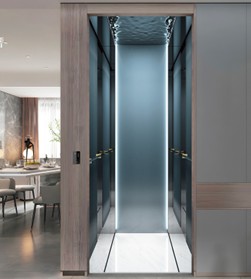
Finishes and custom detailing: where “nice” becomes “significant”
Once the lift is functional, many homeowners focus on how it feels in daily life. That is where finishes come in: cabin materials, glazing, lighting, floor finishes, and how the landing doors integrate with nearby joinery.In coastal New Zealand locations, material selection can also be about durability, not just appearance. If you are close to salt air, you may prefer finishes that handle corrosion risk better. If the lift is near a kitchen or high-traffic family zone, hard-wearing surfaces can be more valuable than delicate ones.
A simple way to think about finishes is to separate essentials from preferences. Preferences are not a problem. They just need to be priced intentionally.
- Cabin materials: laminate, timber veneer, stainless finishes, or painted panels
- Doors and glazing: solid panels versus glass options and framing details
- Lighting and controls: standard fixtures versus premium lighting and upgraded interfaces
- Landing integration: architraves, skirtings, and matching adjacent joinery
Access to the site can quietly inflate the install budget
New Zealand sites can be challenging in ways that do not show up on a floor plan. Steep driveways, narrow access, small urban lots, or limited parking can affect how materials are delivered and how long trades spend moving equipment.If scaffolding, a small crane lift, or traffic management is needed, it becomes part of the real cost. Even weather can play a role, especially where external work is required to create an enclosure or where ground conditions slow down foundation preparation.
In practical terms, access constraints tend to increase labour time first, then trigger hire costs. A site visit that looks beyond the intended lift location, checking the path from street to install point, is time well spent.
Compliance, testing, and inspection are part of paying for safety
A home lift is not just another appliance. Commissioning and safety verification require careful steps, and those steps rely on the surrounding build being correct. If a shaft is out of tolerance, or if landing interfaces are not square, the project can slow down while issues are corrected.It is also common for lift projects to involve multiple sign-offs. The lift installer, electricians, builders, and inspectors each have requirements, and coordination matters. The more complex the design, the more valuable disciplined project management becomes.
Good documentation and tidy workmanship at each stage usually reduces rework, and rework is where budgets get bruised.
Ongoing costs: maintenance access, servicing, and response time
The installed price is only part of the financial picture. Home lifts need regular servicing, and the design of the installation can make that easier or harder. If service panels are awkward to reach, or if equipment is boxed in by joinery, service time can increase over the life of the lift.It also pays to think about parts availability and technical support. Some homeowners prefer a system backed by large-scale manufacturing and long-running product lines, paired with local capability for installation and ongoing service.
Canny Elevator Co. Ltd was founded in 1997 and supplies equipment across more than 100 countries. In New Zealand, the value is strongest when that global engineering is matched with local support that can respond to your home, your council, and your timeline.
Timing, sequencing, and the hidden cost of “waiting”
Home lift projects sit at the intersection of multiple trades. When sequencing goes well, the work is efficient. When sequencing slips, costs can rise in indirect ways: return visits, rebooking subcontractors, temporary protection, or extended site supervision.New builds can sometimes schedule the lift alongside framing, services rough-in, linings, and final finishes in a clean run. Retrofits often need more careful staging so the household can keep functioning. Temporary walls, dust control, and partial access routes may be needed, especially when the lift is being added for immediate accessibility reasons.
If you want the project to feel calm, treat scheduling as part of the scope, not an admin detail.
Questions that help you price the whole project, not just the equipment
A good lift proposal should prompt the right conversations about building work, electrical scope, and compliance. It also helps to ask questions that expose the “unknowns” early, while changes are still cheap.- What building work is assumed: and what is excluded or left as “by others”?
- What approvals are expected: and who provides drawings and producer statements if required?
- What electrical upgrades might be needed: based on the existing switchboard and cable routes?
- How will finishes be handled: and what allowances are included for making good around landings?
- What access constraints exist: from the street to the install location, including lifting plans if needed?
- What servicing access is required: and how will cabinetry, walls, or storage be kept clear of service zones?
When these questions are answered clearly, the cost starts to make sense. The lift becomes one line item inside a well-scoped building project, which is exactly where it belongs.