

A well kept house elevators is a quiet kind of freedom. It makes a multi level home practical for kids with sports gear, grandparents with groceries, and anyone who just wants life to be a little easier. The catch is that lifts are machines, and machines deserve proper usage, regular maintenance, routine care, and thorough safety checks. With the right habits, your lift can serve safely for decades, without drama.
This guide sets out what to do, when to do it, and why it matters in a New Zealand context. It also shows how a reliable brand and a responsive local team take the stress out of ownership.
Why long-term safety rests on everyday habits
Catastrophic issues rarely appear out of thin air. They start small. A faint beeping that gets ignored. A door that needs a nudge. A light that flickers. These early signs are your cue to act before wear becomes damage.
Good ownership combines three things:
- Simple weekly checks you can do in two minutes
- A regular service plan by qualified technicians
- A tidy log of what happened and when
The result is safer rides, fewer surprises, and better value from your investment.
Know your lift: the essentials that keep you safe
Every modern house elevators is built around a safety chain. If one part detects a risk, the lift guards itself or stops.
Common safety features include:
- Door interlocks that prevent movement when a door is open
- Infrared motion detection between doors to stop closing on people or pets
- Overspeed protection to limit descent speed
- Backup braking systems that engage if needed
- Battery powered emergency descent so you can exit at the next level during a power cut
- An anti shake ride system that smooths vibration and reduces wear
- An alarm and two way communication option inside the car
If your house elevators is from Canny Residential Elevators, those features are standard across the range and certified to international benchmarks like CE and TUV, with design principles aligned to AS 1735 and EN81 series where applicable. That engineering is paired with a New Zealand distributor and installer network that handles consents, installation, and ongoing service.
Strong hardware plus attentive care is the winning combination.
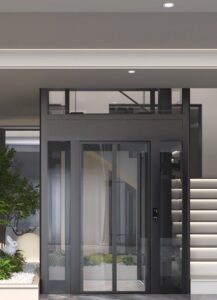
What you can safely do yourself
You don’t need to be an engineer to protect your lift, but knowing how to maintain house elevators for long-term safety is crucial. A few simple tasks keep things running sweetly.
- Keep door thresholds and tracks clear. Vacuum grit and pet hair from the sill weekly.
- Check the weight. Avoid overloading beyond the stated capacity on the car plate.
- Close doors gently. Slamming shortens the life of roller guides and door hardware.
- Watch and listen. A new noise, a delay in door opening, or a change in ride smoothness is a reason to log a service call.
- Clean smart. Use a soft cloth and mild cleaner on panels, buttons, and photo eyes. Avoid aerosol sprays near sensors.
- Test the alarm and phone once a month. Hold the alarm button to check for tone or response, then log the test.
- Treat power kindly. If you plan to switch off mains power, call the service team first to discuss safe shutdown steps.
- Maintain clearances. Keep stored items away from the landing doors and machine space for safe access.
Important: do not open the hoistway, loosen fasteners, lubricate rails, adjust doors, or override safety devices. Those steps belong with trained technicians only.
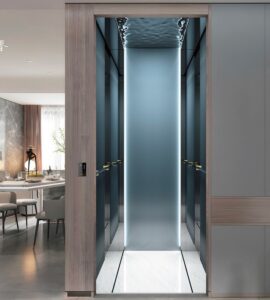
What your technician should handle
Qualified technicians have the tools, training, and formal sign off to service critical systems. Expect them to handle:
- Full door system inspection, alignment, and force testing
- Car ride checks, rail condition, and levelling accuracy
- Controller diagnostics, software updates, and error code review
- Safety gear inspection and overspeed governor testing where fitted
- UPS battery test for emergency descent
- Lubrication using manufacturer approved products
- Fastener torque checks on brackets, guides, and anchors
- Cleaning and airflow checks in machine spaces
- Documentation updates to keep your service history complete
If you work with Canny’s local teams, those technicians are trained to global standards and carry genuine parts.
A practical schedule for New Zealand homes
Climates vary. So do usage patterns. A beachside home in Tauranga faces salt air. A Queenstown build might sit cold for stretches then get heavy use during ski season. The schedule below suits most households and can be tuned with your service provider.
| Task | What to do | Frequency | Who | Notes |
| Visual check | Look for damage, leaks, unusual gaps, new noises | Weekly | Owner | Log changes and call early |
| Clean thresholds | Vacuum and wipe door sills and tracks | Weekly | Owner | Prevents sensor faults and door bounce |
| Test alarm/phone | Hold alarm button, confirm response | Monthly | Owner | Record date and result |
| Clean car panels | Wipe interior, buttons, and photo eyes | Monthly | Owner | Soft cloth, no harsh chemicals |
| Door photo eye check | Wave a hand to confirm doors re open | Monthly | Owner | Test at each landing |
| Ride check | Note levelling accuracy and ride smoothness | Monthly | Owner | Report drift or shudder |
| UPS battery check | Technician tests voltage and runtime | 6 months | Technician | Replace batteries as required |
| Full service | Doors, rails, controller, safety gear | 6 months | Technician | More frequent for heavy use |
| Fastener torque audit | Guides, brackets, anchors | 12 months | Technician | Critical in seismic regions |
| Software review | Diagnostic scan and updates | 12 months | Technician | Keeps fault handling current |
| Corrosion check | Inspect coastal or damp prone areas | 12 months | Technician | Apply protective measures if needed |
Heavy use homes, rentals, or lifts serving more than two storeys may benefit from quarterly servicing. Coastal homes deserve extra attention to corrosion protection and ventilation.
Signs your lift wants attention now
Stop using the lift and book a service if you notice:
- Doors that refuse to stay closed or bounce open
- A burning smell, visible arcing, or any smoke
- Grinding, scraping, or repeated error codes
- Jerky starts, sudden stops, or poor levelling at floors
- Water ingress from a leak nearby
- A battery alarm or recurring power fault
If someone is inside and the lift stops, use the alarm, remain calm, and wait for assistance. Never attempt a forced door opening between floors.
Caring for your lift in a Kiwi setting
Our homes face a few local conditions worth planning for.
- Coastal air and salt: Rinse exterior door frames and adjacent areas, keep machine spaces dry, and ask your technician about protective coatings for exposed metalwork.
- Earthquakes: Have a yearly check on anchor points and brackets. If you feel a significant shake, schedule a service before resuming normal use.
- Power cuts: Ensure your UPS battery for emergency descent is tested on a 6 month cycle and replaced within the recommended window.
- Condensation and cold: Maintain adequate ventilation. In unheated areas, consider a gentle heater or dehumidifier to protect electronics.
- Rural properties: Voltage fluctuations can be harder on controllers. A good surge protector and regular diagnostics pay off.
Cleaning without causing trouble
Cleaning lifts is simple, but the wrong product can trip sensors or damage finishes.
Do
- Use microfibre cloths and neutral cleaners
- Spray onto the cloth, not directly onto buttons or sensors
- Vacuum thresholds with a brush attachment
- Wipe stainless with the grain
Avoid
- High pressure cleaning near landing doors
- Harsh solvents and chlorides on stainless surfaces
- Spraying aerosols into the door gap or photo eye area
- Leaving wet mops against door frames
Record keeping that actually helps
Keep a slim folder or digital log with:
- Installation date, model, and serial number
- Service contracts and technician reports
- Battery replacement dates and test results
- Any error codes noted on the car display
- Photos of wear or corrosion to track change over time
A tidy log speeds up service visits, supports warranty claims, and helps technicians pinpoint intermittent issues.
What to expect during a professional service
A good service visit is structured, efficient, and transparent.
- Arrival and safety check: Technician confirms power isolation steps and secures the work area.
- Conversation: You share recent behaviour, errors, or noises. Small details are gold.
- Inspection and tests: Doors, rails, car, controller, and safety gear are checked and adjusted.
- Consumables: Lubrication and minor parts are addressed on the spot if required.
- Report: You receive a clear summary with any recommendations and timelines.
- Next steps: Book the next service and plan any follow up work.
Canny’s local teams carry common parts and follow a standard checklist aligned with the manufacturer’s global quality process, which keeps results consistent across New Zealand.
Upgrades that improve safety and reliability
As your lift ages, certain upgrades can pay their way through safer operation and fewer callouts.
Consider:
- New door rollers and guides for smoother, quieter motion
- Updated photo eye arrays with better pet detection
- Fresh UPS batteries, plus a smart charger
- Controller software updates for improved diagnostics
- LED car lighting with lower heat and better visibility
- Sealed bearings or corrosion resistant hardware for coastal sites
Talk with your technician about what makes sense for your model and usage.
Matching care to the type of drive
house elevators come in different drive types, and each has quirks.
- Hydraulic: Watch fluid levels and seals, plan for periodic fluid replacement, and keep an eye on temperature in summer.
- Traction (gearless or geared): Rail lubrication and correct tensioning are key. Listen for whine or rumble that points to bearing wear.
- Screw drive and platform lifts: Regular cleaning of the drive nut and shaft area, along with accurate limit switch checks, keeps these systems performing well.
Your service provider will tailor the plan to the mechanism installed.
Safety with kids, pets, and guests
A few household rules prevent accidents.
- Children ride with an adult until they know the routine
- Pets stay clear of doors when the lift arrives
- No climbing, jumping, or prying at door edges
- Do not block landing doors open
- Keep prams and mobility devices well within the car footprint
- Respect the capacity label every time
Post a simple instruction card near the main landing. Clarity helps visitors too.
Working with a brand that stands behind the product
Reliability starts long before the first ride. Canny Elevator Co. Ltd is one of the world’s largest elevator manufacturers, operating since 1997 with over 800,000 elevators installed across more than 100 countries. That global scale supports a deep R&D centre with hundreds of engineers, certification to international standards like CE, ISO, and TUV, and a product line trusted in airports, hospitals, hotels, and homes.
In Aotearoa, Canny Residential Elevators are supplied and supported by a certified local distributor and installer network. That means:
- NZ wide site consultations and consent guidance
- Local installation teams trained to Canny’s global methods
- Ongoing servicing, genuine parts, and responsive aftercare
- Compliance with New Zealand Building Code and council requirements
Pairing world class engineering with local expertise gives Kiwi homeowners clarity when it matters most.
Your council consent, and why it matters later
A properly consented installation sets you up for smoother insurance conversations and easier resale. Keep copies of:
- Consent documents and producer statements
- Site specific engineering details
- Electrical certificates
- User manuals and safety notices
If you ever plan alterations, involve your lift provider early so building work does not compromise clearances, ventilation, or access paths.
Common myths that lead to poor decisions
Let’s clear a few up.
- Myth: Home lifts don’t need routine service. Reality: Intervals may be longer than commercial lifts, but skipping service shortens life and increases risk.
- Myth: If it moves, it’s fine. Reality: Many faults start subtle. Early intervention is cheaper and safer.
- Myth: Any electrician can fix a controller issue. Reality: Modern lift controllers require specialist training and tools, plus access to parts and software.
- Myth: Salt air only affects exterior hardware. Reality: Moist air reaches internal components. Preventive care is smart on both coasts and lakeside homes.
A quick reference checklist you can stick on the wall
Weekly
- Vacuum door thresholds
- Look, listen, and log any changes
Monthly
- Test alarm and phone
- Clean panels and photo eyes
- Check ride smoothness and levelling
Six monthly
- Book a full service
- Test UPS and replace batteries if advised
Yearly
- Fastener torque audit and seismic check
- Controller diagnostics and software review
- Corrosion assessment in coastal locations
The payoff you can feel
A safe lift feels calm the moment the doors close. The car starts cleanly, rides level, and stops without a jolt. Doors open when they should and stay open when someone walks through. There is no mystery smell, no unexplained beeping, no wobble at the threshold.
That level of quiet confidence comes from two things: a well engineered product and an owner who takes routine care seriously.
If you are setting up a new build or upgrading an existing home, ask your provider for a clear maintenance plan from day one. If you already have a lift, start the log today and book your next service. And if you want a brand backed by a global record and a local team that actually shows up, Canny Residential Elevators is ready to help Kiwis move up with confidence.