

A lift at home changes how a house works. Stairs stop being a barrier. Groceries go upstairs without a struggle. A future grandparent visit feels easy, not like a careful plan. That is the practical side. The interesting bit is how all of this actually happens behind the scenes, with ropes, control systems, sensors, and safety layers working in sync every time you press a button, leading us to wonder precisely how do home elevators work.
World-class engineering with local expertise sits at the heart of it. Canny Residential Elevators bring global engineering rigs to Kiwi homes, backed by teams who know New Zealand sites, codes, and expectations. You get the confidence of a top global brand and the comfort of nearby support.
Home lifts look simple. They are not. Let’s break them down into parts that make sense.
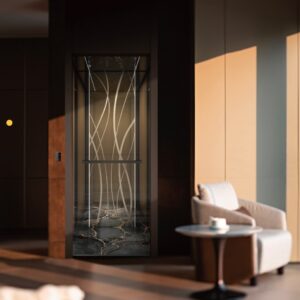
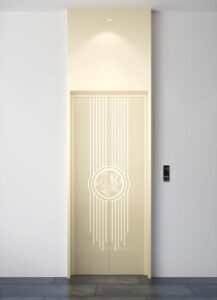
Elevator design plays a crucial role in the overall functionality and aesthetic integration of home elevators. Beyond the basic mechanics, thoughtful design elements ensure user comfort and safety. The cabin’s design can vary significantly, from minimalist modern to ornate classic styles, with materials and finishes chosen to complement the home’s interior. Lighting and ventilation must be considered for a comfortable ride, while intuitive control panels enhance user experience. Additionally, custom designs may address unique architectural requirements, ensuring seamless integration into existing spaces. This attention to detail in elevator design helps transform what might otherwise be a simple utility into a valuable and cohesive part of the home environment.
What makes a lift move
Most home elevators use one of four drive systems, each with a unique mechanism to convert motor energy into vertical movement. Each follows the same basic idea: a motor generates movement, guide rails keep the car true, and a control system decides when everything starts and stops. The differences lie in how the motor turns that energy into vertical movement, often using a piston in hydraulic systems to push the car up.
- Traction with counterweight: A motor turns a sheave. Ropes move the car up while a counterweight moves down. It is energy efficient because the counterweight balances the car mass.
- Hydraulic: A pump pushes oil into a cylinder. That lifts the car. To descend, valves release oil back to the tank under control.
- Screw drive: A motor turns a lead screw. A nut attached to the car travels along the screw, lifting or lowering the car.
- Vacuum (pneumatic): The car sits in a tube. Suction above the car lifts it. To come down, air is let back in and the car descends smoothly.
Each approach suits different homes, budgets, and space constraints, making them ideal options for integrating a home elevator. Traction is common in modern residential lifts, especially machine-room-less models that tuck the machinery into the shaft. Hydraulic systems remain popular where a smooth low-speed lift is desired and a small machine space is available. Screw and vacuum solutions target compact retrofits or unique architectural needs.
The core components you actually get
Think of a home lift as a set of building blocks. These are the ones that matter.
- Car: The moving cabin you ride in. Designed for comfort, with lighting, ventilation, handrails, and fixtures.
- Shaft or hoistway: The vertical space the car travels in. Built with fire-rated and structural materials to meet code.
- Guide rails: Solid tracks that keep the car plumb and stable.
- Machine and drive: Motor, gearbox if used, sheave or cylinder depending on the drive type.
- Controller: The brain that interprets calls and enforces safety logic.
- Doors: Landing doors and car door, with interlocks so the lift only opens when it is safe.
- Safety gear: Overspeed governor, brakes, buffers, and safety circuits that cut power if anything behaves outside set limits.
- Sensors and encoders: Provide position, speed, and door-status information to the controller.
- Power and UPS: Main supply plus a battery-backed system so the car can descend safely during a power cut.
Canny Residential Elevators add anti-shake ride systems so the movement feels composed, not jittery. You feel this every time the lift leaves a floor or lands with precision.
Types of residential drives at a glance
Choosing a drive system is the most technical call you will make for a home elevator. The table below gives a simple view.
| Drive type | How it moves | Strengths | Considerations | Typical speed | Energy use | Pit and overhead | Best fit |
| Traction MRL | Motor turns sheave, ropes move car and counterweight | Efficient, quiet, precise levelling, no separate machine room | Needs accurate shaft construction, rope wear managed by service | 0.3 to 1.0 m/s | Low to moderate | Shallow pit and moderate overhead | New builds or quality retrofits with a shaft |
| Hydraulic | Pump feeds cylinder to lift, valve controls descent | Smooth ride, tolerant of small alignment variances | Requires oil tank area and periodic fluid care | 0.15 to 0.5 m/s | Moderate | Deeper pit for buffer and cylinder base | Homes with space for a small machine cabinet |
| Screw drive | Motor turns lead screw, car rides on nut | Compact, no ropes or counterweight | Slower, audible mechanical tone, wear on screw nut | 0.1 to 0.3 m/s | Moderate | Minimal pit and headroom | Tight retrofits with limited structure |
| Vacuum | Air pressure difference in a tube lifts the car | Very small footprint, panoramic feel | Tube aesthetic is distinct, size and load limits | 0.15 to 0.3 m/s | Moderate | Minimal pit and headroom | Villas and townhouses needing minimal building work |
Canny’s residential traction and hydraulic ranges cover the most common New Zealand use cases. Both are proven, serviceable, and designed to meet local code requirements with confidence.
The control system that keeps everything in harmony
Press a button and a lot happens in milliseconds. The motor, along with the controller, handles it like a conductor.
- Call handling: Hall buttons and car buttons feed into the controller. It queues calls and decides direction.
- Door logic: The system checks that doors are clear, interlocks are engaged, and obstruction sensors are clear before moving.
- Speed profile: The drive ramps up smoothly, runs at constant speed, then decelerates to exact floor level.
- Safety chain: A series circuit includes door locks, overspeed governor, limits, and emergency stop. If any link goes open, the system halts motion.
- Feedback: Encoders or sensors confirm position and speed. The controller keeps the car within allowable limits and stops precisely level with the landing.
Modern controllers are robust, with diagnostics and fault logging that speed up service and keep downtime short.
Safety features you can rely on
A residential lift is built with layers of protection. Canny engineers for redundancy so one safeguard can back up another.
- Motion detection between doors so movement stops if anything crosses during closing
- Overspeed protection that triggers the safety gear and braking if travel exceeds allowed speed
- Emergency battery-powered descent so the car can travel to the nearest floor and open during a mains outage
- Door interlocks that physically prevent opening unless the car is at a floor and safe to exit
- Backup braking systems that engage if primary drive control is lost
- Anti-shake ride system to steady the car on start, run, and stop
- Emergency alarm and two-way communication panel
- Fire and seismic considerations to match local building consent conditions
All models supplied by Canny in New Zealand are tested against international standards like CE, ISO, and TUV, and are configured to meet or exceed New Zealand code and council requirements.
Power, efficiency, and noise
A typical home lift in New Zealand runs on either single-phase 230 V or three-phase supply, depending on size, speed, and site constraints. Traction models are known for modest running energy since the counterweight mechanism does part of the work. Hydraulic units draw more when going up and very little when coming down, thanks to controlled descent.
Standby power matters too. LED lighting, smart sleep modes, and efficient drives keep idle draw low. Noise control comes from careful isolation of the machine, quality rollers and rails, and door operators that close with a controlled curve instead of a snap. Canny’s anti-shake approach trims vibration so conversations can continue while riding.
What a single ride looks like, step by step
- You press the hall button. A soft chime or light confirms the call.
- The controller checks door status, safety chain, and car location.
- Doors open. Sensors watch for movement between the panels.
- You enter. Doors close when clear, gently and without pinch points.
- The drive starts. Acceleration is controlled so your feet feel planted.
- Mid-travel, the car runs at a steady speed while the controller tracks position.
- As the destination nears, the drive decelerates and levels to the landing with millimetre precision.
- Doors open. If you hold them, the sensors keep them from closing.
- The system returns to standby with lights and ventilation where configured.
Every step has checks behind it, so an abnormal condition triggers a safe stop and a clear message for service.
Building in New Zealand: consent, space, and site work
Getting a lift into a Kiwi home takes smart planning. The good news is that you do not have to carry this alone.
Canny Residential Elevators are distributed and installed by certified local teams across New Zealand. That means site-specific advice early on and an installation process that respects council requirements.
- NZ-wide support, site consultations, and help with building consent documentation
- Local installation teams trained to Canny’s global standards and methods
- Ongoing servicing, parts supply, and responsive aftercare, not just a warranty card
- Fully compliant configurations that meet the NZ Building Code and safety regulations
Space planning matters. Expect to allow for a shaft footprint, a small pit for buffers and floor level accuracy, and overhead space for the car and door gear. Traction MRL keeps the machine inside the shaft, removing the need for a separate machine room. Hydraulic models need a tidy cabinet space for the pump unit and oil tank. Your installer will confirm the exact pit depth and headroom from the selected model’s technical sheet.
Seismic bracing and fire-rated construction are part of the consent conversation. New Zealand conditions demand attention to these details. A good installer will coordinate with your architect, builder, and sparkie so penetrations, slab rebates, and switchboard capacity are sorted early.
Ride quality and design choices
A lift should feel like part of the home, not an afterthought. That means more than a nice car interior. It is the way doors whisper shut, the cabin stays level when people step in and out, and the controls respond with clarity.
Key choices include:
- Door type: Automatic sliding doors offer quick access. Swing doors with an automatic car door can fit tighter spaces.
- Car size and load: Make room for a wheelchair or carry a week’s shopping without tight corners.
- Finishes: Durable laminates, stainless trims, timber accents, and low-glare lighting to suit a considered interior.
- Controls: Large, tactile buttons, clear indicators, and voice or chime options for accessibility.
- Quiet operation: Anti-vibration pads, tuned rollers, and careful machine isolation.
Canny’s anti-shake ride system is technology you feel rather than see. Starts feel composed, stops land without a bump, and levelling stays precise.
Service and longevity
A well-built lift is a long-term asset when it is looked after. Routine service is simple and planned.
What a typical service visit covers:
- Door operators cleaned and adjusted
- Safety circuits tested, including interlocks and overspeed gear
- Guide rails checked and lubricated where required
- Drive system inspection, rope or belt condition if applicable
- Controller diagnostics reviewed and fault logs cleared
- Battery backup tested
- Ride quality and levelling verified
Service intervals depend on usage. A family home may see biannual checks. A multi-dwelling site with higher traffic may need quarterly visits. With more than 800,000 elevators installed worldwide, Canny’s parts and procedures are proven, and local stock keeps wait times down.
Common questions, answered plainly
Is it safe during a power cut?
Yes. Models supplied here include emergency battery-powered descent. The lift travels to the nearest floor and opens the doors so you can step out.
How loud is a home lift?
Modern traction and hydraulic drives are quiet. Noise comes mainly from door movement and airflow. With proper isolation and tuning, conversations do not need to pause.
Do I need a machine room?
Traction MRL does not. Hydraulic models need a compact cabinet for the pump and tank. Your layout will guide the choice.
What about earthquakes?
Installations follow New Zealand requirements for seismic restraints and fixing to structure. The safety gear is designed to hold the car if movement exceeds set limits.
Will it fit my renovation?
Usually, yes. A site visit confirms if a compliant shaft can be created. Screw or vacuum units can solve tricky footprints, though most Kiwis prefer traction MRL for energy and ride quality when space allows.
How much power does it use?
A typical single-phase traction lift draws similar power to a household appliance during travel and low standby outside of rides. Your installer can size supply and breakers.
Why global engineering matters at home
Choosing a brand with a long track record reduces risk. Canny Elevator Co. Ltd, founded in 1997, operates at a scale that delivers reliability and continuous improvement.
- Over 800,000 elevators installed worldwide
- Certified to CE, ISO, and TUV standards
- Supplied to airports, hospitals, hotels, and homes in more than 100 countries
- Dedicated R&D centre with over 500 engineers
- Recognised among the top 10 global elevator brands
That global backbone pairs with local delivery in New Zealand. You get on-site consultations, installers trained to factory procedures, and fast aftercare. It is the mix that makes living with a lift straightforward.
Matching a lift to your project
Here is a simple way to narrow choices before a site consult.
- Building new: Go with traction MRL where you can form a full shaft. You get efficient operation, clean lines, and no machine room.
- Tight retrofit: Consider a compact traction or screw system that fits within existing structure. A vacuum unit can solve the smallest footprints where the look suits the design.
- Heavier loads or special use: Hydraulic can be ideal when a robust low-speed lift is the priority and cabinet space is available.
Key questions to answer early:
- How many stops and what rise height?
- What is the preferred door type and clear opening?
- Any wheelchair, pram, or bulky items to plan for?
- Where can a shaft run without chopping up the floor plan?
- Where will service techs access the equipment safely?
Bring these to a consult and you will save time and costs during consent and build.
The Canny difference for Kiwi homes
Canny Residential Elevators combine global engineering discipline with support that is genuinely local. That means a lift that performs day after day, and a team that answers the phone.
What you can expect:
- NZ-wide support, site consultations, and guidance through the council consent process
- Local installation teams trained to Canny’s global standards
- Ongoing servicing, parts supply, and responsive aftercare
- Solutions set up to meet the NZ Building Code and safety regulations
World-Class Engineering. Local Expertise. That is the promise that sits behind every car panel, door sensor, and safety circuit. If you are planning a new build or shaping an existing home for easier living, the technology is ready, proven, and supported where you live.
A quick chat with a local Canny distributor can turn ideas into a clear plan with drawings, loads, pit and overhead details, and a timeline that fits your build. The next time you press that button at home, you will know exactly what makes it feel effortless.