

A home lift used to feel like a luxury. Today, house elevators are a practical way to stay in the home you love, keep daily life simple, and welcome whānau and friends of all ages. Stairs can become tiring or risky over time. A compact, quiet elevator lets you future proof without sacrificing design or comfort.
If ageing in place matters to you or your parents, this guide breaks down the key decisions, New Zealand consent steps, and the safety features that separate a good option from a great one.
What a home lift really gives you
Accessibility is only part of the story. A residential elevator changes how a multi level home is used. Bedrooms can stay upstairs. Groceries, laundry, and bulky items move with people rather than in their arms. Grandparents can visit for weekends without negotiating steps. On a rainy Wellington night or a frosty Dunedin morning, that matters.
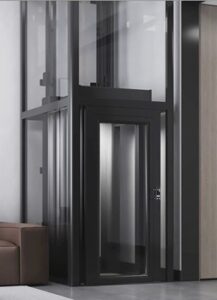
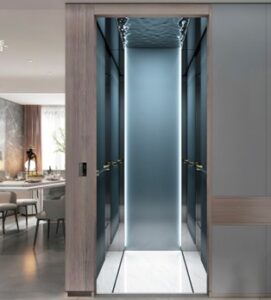
Well chosen lifts look like they belong. Materials, lighting, and doors tie into the interior. The cabin becomes another small room, not an afterthought. That makes it easier to say yes early in a build, or to retrofit with minimal compromise.
Short term convenience meets long term value. Builders across the country are designing two storey homes with a lift provision framed in from day one. Even if you fit the elevator later, the shaft space and power make it straightforward.
After living with a lift for a month, many homeowners say the same thing: we should have done it sooner.
Here are the day to day solutions and gains people notice first.
- Fewer stairs, more energy for the things you enjoy
- Safer movement with kids, pets, and visitors
- Easier tasks: laundry, groceries, luggage
- Future ready layout for wheelchairs or walkers
Residential vs commercial: what changes at home
Home elevators share the same safety DNA as commercial lifts but are optimised for smaller footprints, quieter operation, and lower speeds. They are sized for family loads, not hotel lobbies. Most run on standard single phase power, fit within a cupboard sized shaft, and can be installed with modest pit and headroom requirements.
That design approach gives you flexibility. A 2 to 4 stop lift can often be integrated into an existing staircase void or tucked beside a hallway. In new builds, position it to simplify your plan. Align doors above each other to avoid structural gymnastics and to keep costs tidy.
Choosing the drive system
Different drive technologies suit different homes. Noise levels, power draw, shaft space, ride feel, and maintenance needs vary. A quick comparison helps narrow the field.
| Drive type | Typical load and speed | Footprint and shaft | Power | Noise and ride | Maintenance |
| Hydraulic | 300 to 400 kg, up to 0.3 m/s | Compact shaft, shallow pit | 1 phase with pump unit | Smooth, a quiet hum | Periodic fluid checks and seals |
| Traction MRL (gearless) | 300 to 450 kg, 0.3 to 0.4 m/s | Slim machine room less design | 1 phase, efficient | Very quiet, refined ride | Routine service on belts and rollers |
| Screw drive | 250 to 325 kg, up to 0.15 m/s | Smallest pit and headroom | 1 phase | Audible mechanical note, steady | Lubrication and nut inspection |
| Pneumatic vacuum | 170 to 240 kg, 0.15 to 0.2 m/s | Shaftless tube, minimal building work | 1 phase | Noticeable airflow sound, gentle | Low wear, specialist service |
Hydraulic and traction systems dominate the Kiwi market because they balance ride comfort, efficiency, and long term reliability. If you plan for regular use and want the most natural cabin feel, traction MRL is an excellent fit. Where site constraints are tricky, hydraulic units provide flexibility.
Safety features that matter
All reputable residential lifts, including house elevators, in Aotearoa must meet strict safety rules. Look for layers of protection that prevent incidents and keep the cabin stable in every scenario. At Canny Residential Elevators, the specification reflects global engineering paired with local code compliance.
- Motion detection: sensors between doors that halt closing if movement is detected
- Overspeed protection: a governor monitors speed and triggers braking if limits are exceeded
- Emergency descent: battery backed lowering to the nearest floor during a power cut
- Door interlocks: doors stay locked unless the car is present and safe to enter
- Anti shake system: suspension and control that reduce vibration for a calm ride
When comparing models, ask to see the safety certificates, the test procedures, and how fault alerts are displayed. A modern controller should report events clearly so technicians can diagnose quickly.
Sizing, layout, and design choices
Space planning starts with who will use the lift and what they will carry. A 300 to 400 kg rating suits most families, accommodating two adults or an adult with a wheelchair. Internal car sizes vary, but an internal clear area around 1100 by 1400 mm with a 900 mm door opening will serve most mobility needs while still fitting within typical NZ homes.
Door choices affect both usability and architecture. Sliding doors look sleek and are easy to operate. Swing doors can work in compact shafts but need careful planning to avoid clashes with circulation space. Glazed panels bring light into the cabin and help those with low vision.
Think through the approach to each landing for optimal solutions. Flush thresholds, good lighting, and handrail positioning on the approach make every trip feel secure. If you are renovating, consider reorganising a wardrobe or linen cupboard to create the shaft without losing usable floor area.
For new builds, reserve vertical space on the plan from the start, even if you do not install the lift immediately. Provide power in the correct location, and frame suitable pit and headroom to match the chosen model. That one decision saves money later.
Consent and compliance in New Zealand
Most residential lifts require building consent. The consent package typically includes architectural drawings, structural support details, and the manufacturer’s specifications. Your installer should provide the engineering producer statements needed by council. If the lift design forms a specified system under your council’s rules, it will be listed on the compliance schedule and be subject to ongoing checks. Your local building control authority will confirm requirements for your project.
Key references for compliance include the New Zealand Building Code and the relevant AS/NZS 1735 series for lifts. The goal is simple, safe operation that integrates with the house structure, fire safety, and electrical standards. A well organised installer will liaise with council on your behalf, which keeps the process moving and reduces rework.
Canny Residential Elevators provides NZ wide consent guidance and coordinates with your designer, builder, and council. That local support matters, especially on complex alterations or tight sites.
What the project looks like from start to finish
Most homeowners want to know how long they will be without part of the house and who does what. The total timeline varies significantly based on your project type, council processing times, and site complexity.
For new builds: When planned from the start, the lift installation integrates smoothly into the construction schedule. The manufacturer typically requires 8 to 12 weeks lead time once your order is confirmed. The physical installation takes 3 to 7 working days, scheduled to align with other trades near the end of the build programme.
For retrofits: Expect a longer, more variable timeline:
- Initial consultation and design: 2 to 4 weeks
- Building consent approval: 4 to 12 weeks (depends heavily on your local council and application complexity)
- Structural preparation by builders: 1 to 3 weeks
- Lift manufacturing and delivery: 8 to 16 weeks
- On-site installation: 3 to 7 working days
- Final inspection and sign-off: 1 to 2 weeks
Total realistic timeframe: 4 to 9 months from first conversation to first ride for most retrofit projects.
During structural preparation, expect limited access to parts of your home. The installation week itself is relatively contained, though you may need to avoid the lift area and manage dust. Good installers will provide weekly updates, protect finished surfaces, and communicate any delays early.
Council processing times fluctuate with seasonal demand and staffing. In some regions, consent can take longer than the physical installation itself. Your installer should factor this into the project plan and keep you informed throughout.
Installers trained to international standards make the difference between a tidy, predictable week and a frustrating one. Look for clear daily communication, dust control, and careful protection of finished surfaces. Good teams treat the house like their own.
- Site consultation: measure, check structure, confirm services, discuss finishes
- Consent pack: drawings, structural details, producer statements, council lodgement
- Build works: shaft framing, pit and headroom formed, power run to location
- Installation: lift rails, car, doors, control gear, test cycles, inspection
- Handover: training on use, safety features, service schedule, documentation
Costs, power use, and servicing
Budget ranges depend on drive type, number of stops, finishes, and how much building work is needed. In New Zealand, many high quality residential lifts fall between NZD 45,000 and NZD 95,000 installed, with premium finishes or complex retrofits sitting above that. Running costs are similar to common household appliances, particularly with efficient traction systems and LED lighting.
Service intervals depend on use, but a twice yearly check keeps everything in spec and extends life. Expect technicians to test safety circuits, inspect mechanical components, adjust doors, and update firmware where applicable. A well maintained residential lift, including house elevators, should provide dependable service for decades.
Canny Residential Elevators backs every unit with robust support. A standard 1 year warranty covers parts, labour, and installation. Local servicing teams operate across the country, with extended warranty and maintenance plans available for extra peace of mind. Ready access to parts and trained technicians reduces downtime and keeps your lift running like new.
Why the maker and the installer both count
Choosing a strong brand is only half the equation; the right solutions are crucial to meeting your specific needs. The capability of the local installer shapes your day to day experience. You want world class engineering and people you can ring in the same time zone.
Canny Elevator Co. Ltd, founded in 1997, is one of the largest residential and commercial lift manufacturers globally. With more than 800,000 units installed and a dedicated R&D centre with 500 engineers, the product platform is mature, tested, and certified to standards like CE, ISO, and TÜV. That scale shows in the ride quality, the safety layers, and the parts ecosystem.
In New Zealand, the full Canny Residential range is delivered through a certified local network. Homeowners from Kerikeri to Invercargill can tap into site consultations, consent guidance, and installation teams trained to the manufacturer’s benchmark. Ongoing servicing, parts supply, and responsive aftercare keep things simple long after handover. All models meet or exceed New Zealand code requirements, aligning global engineering with local rules.
Design tips to make the lift feel built in
Architects often say integration is the secret. Select finishes that echo your interior palette so the cabin belongs to the home. Warm timbers, soft touch laminates, or minimalist glass and stainless all work when they are consistent with the rest of the space.
Lighting transforms the experience. Dimmable LED strips, a calm colour temperature, and a clear control panel improve comfort for ageing eyes. Mirror placement can make small cabins feel bigger, but avoid reflections that obscure buttons.
Noise isolation is as much about building works as it is about the lift. A well detailed shaft, rubber isolators, and careful door seals reduce sound transfer into bedrooms and living rooms.
Frequently asked questions
Will a lift fit in my existing two storey home?
Often, yes. A compact shaft can be threaded through a cupboard stack or beside a stair. A site visit will confirm structure, pit depth, and headroom. Where space is tight, hydraulic or screw drive models can reduce shaft requirements.
Do I need three phase power?
Most residential lifts offered in New Zealand run on single phase power. Confirm the amperage with your installer and have a registered electrician provide a dedicated circuit.
What happens in a power cut?
Modern lifts include a battery backed emergency descent that lowers the car to the nearest landing and opens the door. Lighting continues during the descent.
How long does consent take?
Timeframes vary by council and season. With complete documentation, approvals for straightforward residential work are often issued within a few weeks. Your installer should manage queries so the file keeps moving.
Can I add a lift now and upgrade finishes later?
Yes. Many cabins accept panel and lighting updates without major changes to the mechanical system. Plan the core layout right, then tune the look over time if you prefer.
Taking the next step
If you are planning a new build, reserve the shaft and power on the plan and get early pricing. For retrofits, book a site consultation to confirm feasibility and timeframes. Canny Residential Elevators offers NZ wide support, from the first measure through consent, installation, and ongoing care. With global engineering behind the product and local teams on call, staying in the home you love becomes the straightforward choice.