

A home elevator is one of those upgrades that can feel intensely personal, yet it sits right at the intersection of lifestyle and property economics. In New Zealand, where split-level designs, hillside sections, and compact urban footprints are common, lifts are no longer reserved for grand builds. They are increasingly seen as practical infrastructure.
The real question for homeowners and developers is not “Are lifts nice to have?” It’s whether a lift is recognised in the market as durable value, or whether it’s treated as a niche feature that narrows your buyer pool.
How Kiwi buyers are thinking about multi-level living
New Zealand’s housing stock includes plenty of two and three-storey homes, but the reasons differ by region. In Wellington, vertical building often comes from terrain and views. In Auckland, it’s frequently about land prices and intensification. In Queenstown and other high-growth lifestyle areas, it can be about maximising outlook and sunlight.
A lift speaks directly to the friction that comes with stairs. That friction is not only about ageing. It’s also about prams, groceries, sports gear, injuries, visiting grandparents, and planning to stay longer in the home.
One sentence matters here: buyers pay more for homes that feel easy to live in.
Does a home elevator increase property value?
Sometimes yes, sometimes no, and often “it depends on how well it’s executed”.
Property value in NZ is shaped by fundamentals first: location, land, floor area, sun, layout, school zones, and condition. A home elevator rarely beats those. What it can do is shift how buyers perceive the home’s liveability and future costs, which changes competition at open homes and the strength of offers.
A lift is most likely to add value when it:
- makes a multi-level house work for a wider range of households
- reduces the perceived need for future renovations (like converting a garage to a bedroom, or moving living areas downstairs)
- reinforces the sense that the home is premium, well-finished, and thoughtfully engineered
A lift is less likely to add value when it:
- consumes too much usable space relative to the home’s size
- looks improvised, noisy, or “aftermarket”
- creates consent uncertainty or raises questions about ongoing maintenance and parts
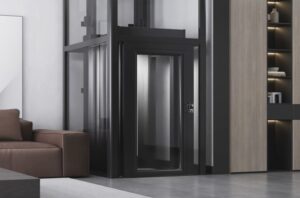 Which NZ properties tend to benefit most
In market terms, a lift is a “buyer pool expander” when it reduces reasons to walk away. That tends to matter more in some property types than others.
After looking at how multi-storey homes typically trade, the strongest fit often shows up in:
- high-value homes where buyers already expect premium features
- narrow urban sites where stairs are unavoidable
- architecturally designed homes where ageing-in-place is part of the story
- properties marketed to downsizers who want to stay close to family, cafés, and healthcare
A lift can also be a genuine differentiator in a townhouse or terrace, though only if it’s integrated in a way that doesn’t make the home feel smaller.
In contrast, in entry-level segments where buyers are stretching to get in, the lift can be seen as a cost they didn’t ask for. It might still help the sale, but the uplift may not match the installation cost.
How valuers and agents typically treat lifts
In NZ, registered valuers tend to focus on comparable sales. If lifts are rare in your suburb, there may be limited direct evidence to “credit” the feature dollar for dollar. Agents, meanwhile, are reading buyer emotion in real time, which is where a lift can pull more weight.
A lift can influence value in two main ways:
- Saleability: shorter days on market, stronger competition, fewer price reductions.
- Price ceiling: lifting perceived quality and broadening demand, so the home competes with a slightly higher tier.
After you’ve established that, it helps to think about how the feature is framed:
- Comparable scarcity: If few homes offer this convenience, you may stand out.
- Functional necessity: If the home is effectively “unusable” for some buyers without a lift, the lift can protect value rather than raise it.
- Finish quality: A lift that feels like part of the architecture reads as value; one that feels bolted on can read as risk.
Consent, compliance, and why it matters for resale
When buyers see a lift, their next thought is often: “Was this done properly?” That question is really about risk transfer. A future owner does not want surprise remedial work, insurance issues, or difficulty getting servicing.
So a value-supporting lift is one that is clearly compliant with New Zealand requirements and has documentation a buyer’s solicitor can review without drama.
That usually means you can readily provide:
- Building consent and sign-off where required
- Product documentation and warranties
- Service records and contact details for ongoing maintenance
- Evidence the installation meets relevant safety expectations and NZ Building Code requirements
A well-documented upgrade does something subtle but powerful: it makes the feature feel like part of the property, not a personal experiment.
Cost versus value: a practical way to think about “return”
It’s tempting to treat a lift like a new kitchen and ask for a simple percentage return. The market rarely works that neatly. With lifts, value often shows up as reduced friction to purchase and a stronger willingness to pay for the whole package.
Still, a structured view helps. The table below shows typical cost and value signals that agents and buyers respond to.
Element What buyers notice Likely impact on value perception Space efficiency Whether the lift steals living space or feels integrated High if well-planned, negative if it compromises layout Ride quality and noise Smoothness, stability, door operation High for premium segments, moderate elsewhere Safety features Emergency descent, door interlocks, overspeed protection High, because it reduces perceived risk Servicing pathway Clear local servicing and parts availability High, especially for risk-aware buyers Consent and paperwork Easy due diligence for solicitors and valuers High, protects saleability Energy and running costs “Will this be expensive to own?” Moderate, depends on buyer type One sentence summary: the strongest “return” often comes from making a multi-level home feel effortless.
Design choices that protect resale value
Good home elevators decisions start early, even when you’re retrofitting. The goal is to make the lift feel inevitable, like the home was always meant to work this way.
After you’ve mapped the floor plan and traffic flow, focus on decisions that hold up under scrutiny from valuers, builders, and cautious buyers:
- Location: Put the lift where it genuinely improves daily movement, not where it merely fits.
- Access: Make entries intuitive and level, with good lighting and clear door swing space.
- Aesthetics: Match materials and detailing to the home so it reads as part of the build.
- Future-proofing: Choose a solution that remains serviceable and supported over time.
Smaller choices also matter. A lift that opens into a tight corridor or forces awkward furniture moves can undercut the “easy living” story you’re trying to create.
The buyer segments most likely to pay for a lift
Not every buyer values the same thing. If you’re adding a lift with resale in mind, it helps to know who you are speaking to.
Common buyer groups that respond well include:
- Downsizers who want to stay independent without moving to a single-level unit
- Families planning for multi-generational living
- Professionals who prioritise comfort and long-term practicality in premium suburbs
- Buyers with mobility considerations, whether permanent or temporary
This is why lifts can perform well in markets with older demographics, higher incomes, or a concentration of multi-level housing.
How to present a home elevator when selling
A lift can either sound like a complex machine, or like a simple way the home takes care of you. The wording and the evidence you provide make the difference.
After your agent has inspected the property and clarified the consent position, consider positioning the lift in marketing as:
- Convenience that supports daily life, not a gadget
- A way to keep living areas, bedrooms, and outdoor spaces accessible
- A quality signal, supported by documented servicing and safety features
It also helps to be ready for practical questions at open homes: noise, power use, safety during outages, service frequency, and who services it locally.
Engineering quality and local support: why they influence price
Buyers are not only buying the lift. They’re buying confidence that it will keep working and can be fixed quickly if something goes wrong.
That’s where brand reputation, installer competence, and local aftercare start to influence perceived value. When a lift is backed by globally proven engineering and installed and serviced by trained local teams, it tends to feel less like a liability.
Many modern residential lifts now include safety and reliability features that buyers immediately understand, once explained clearly:
- Motion detection between doors
- Overspeed protection
- Emergency battery-powered descent (UPS)
- Door interlocks and backup braking systems
- Anti-shake systems for a smoother ride
In NZ, the “local support” point carries real weight. If a buyer believes parts are hard to source or servicing is uncertain, they may discount the feature heavily, even if the lift itself is impressive.
A realistic way to decide if it’s worth it
If you’re choosing between a lift and another upgrade, ask a different kind of question than pure ROI: “Will this materially change who can live here comfortably, and for how long?”
Where the answer is yes, lifts can protect value during market shifts because they reduce barriers to purchase. They also tend to hold their appeal as household needs change, which is not something every renovation can claim.
If you’re building new, it may be worth planning the home so a lift can be added later, even if you do not install it immediately. The simple act of planning a suitable location and structure can keep options open and reduce future disruption.
And if you’re retrofitting, a well-consented, well-documented installation of home elevators that looks and feels like it belongs can turn a steep staircase from a deal-breaker into a non-issue, which is often where the real property advantage sits.