

A multi-level home can be beautiful, practical, and full of character. It can also ask a lot of the people living in it. Stairs are fine, until they are not. What feels easy at 30 can feel tiring at 60, inconvenient with a toddler, or limiting after an injury.
That is why more New Zealand homeowners are looking at home elevators in a different way. Not as a luxury item tucked into a grand design, but as a smart part of everyday living. A well-planned residential lift can make the house easier to use, safer to move through, and far more adaptable over time.
For families building new homes, it can be a future-focused choice. For people renovating, it can open up possibilities that once felt out of reach. And for those wanting to stay in the home they love for longer, it can be the feature that makes that plan realistic.
Everyday ease, built into the home
The biggest change a home elevator brings is often the simplest one. Ordinary tasks become less demanding.
Think about what moves up and down the house each day. Groceries. Laundry. School bags. Sports gear. Suitcases. A vacuum cleaner. A sleeping child in your arms. These are small moments, yet they shape how comfortable a home feels.
When an elevator is part of the layout, the house works with you rather than against you. It reduces the need to carry heavy or awkward items on stairs, which can lower the chance of slips and strain. It also makes upstairs rooms feel genuinely connected to the rest of the home, rather than slightly separate.
That shift matters more than many people expect. A top-floor bedroom becomes easier to enjoy. A lower-level garage or storage area feels more useful. Guests can move around the house with greater confidence. The result is not just convenience, but a home that feels more open and more liveable.
| Everyday situation | How a home elevator helps |
| Bringing in groceries | Cuts down repeated trips and lifting on stairs |
| Laundry between floors | Makes a routine chore quicker and less tiring |
| Moving luggage or boxes | Safer transport for bulky items |
| Hosting older family members | Gives easier access to all levels of the home |
| Recovering from injury | Supports mobility while routines stay mostly unchanged |
| Planning for later life | Helps the home remain suitable for longer |
A strong choice for future-proofing
New Zealand homes are changing. On smaller sites, building up instead of out often makes good sense. Split-level homes, hillside builds, and compact urban designs can all benefit from a vertical transport solution that feels integrated rather than added on as an afterthought.
That future-proofing has real value. A family may not need an elevator today in the same way they might in ten or fifteen years. Yet building with one in mind can save disruption later. It can also make the home more flexible for changing needs, whether that means ageing in place, welcoming a family member with mobility challenges, or simply reducing physical strain as life gets busier.
There is also a design benefit. A home elevator can support ambitious layouts without making the house harder to use. That means homeowners do not have to choose between a visually striking multi-level design and practical day-to-day comfort.
After people start thinking in those terms, the list of useful scenarios grows quickly.
- Groceries and meal prep
- Prams and baby gear
- Laundry baskets
- Sports equipment
- Suitcases and storage boxes
- Mobility aids
None of those items are unusual. That is the point. A home elevator earns its place not through a dramatic moment, but through steady daily usefulness.
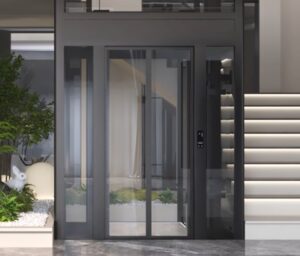
Independence without compromise
Accessibility is often discussed in technical language, yet its effect is deeply personal. Being able to move around your own home freely matters. It supports confidence, privacy, and routine.
For older adults, a home elevator can remove the pressure of planning the day around stairs. Bedrooms on the upper floor remain practical. Bathrooms do not need to be relocated in a hurry. Daily movement feels less like a calculation and more like normal life.
For someone recovering from surgery or managing reduced mobility, that same lift can make the difference between feeling restricted and feeling in control. It helps people stay connected to the whole home, rather than being limited to one level.
Families feel the benefit too. Parents can carry children more safely. Grandparents can visit with less worry. A house that welcomes different ages and physical abilities tends to feel warmer, more social, and better suited to real life.
Safety that gives peace of mind
A well-designed residential elevator should feel reassuring, not complicated. Safety systems need to be built in from the beginning, quietly doing their job every time the lift is used.
Reputable systems now include multiple protective features that support calm, reliable operation. In New Zealand, that also means meeting local building and safety requirements, along with council expectations where consent is needed.
Providers offering established residential lift systems often focus on features like these:
- Motion detection between doors: helps stop the doors closing if something is in the way
- Overspeed protection: monitors travel and responds if the lift moves outside safe limits
- Emergency battery-powered descent: allows the lift to return safely in a power outage
- Door interlocks and backup braking systems: add protection during travel and when stopping
- Anti-shake ride system: supports a smoother, more stable ride
These details matter because trust matters. People use home elevators with children, older family members, pets, shopping bags, and all the untidy reality of daily life. The equipment needs to feel robust and predictable every single day.
Smooth travel is part of that safety experience as well. A lift that starts and stops gently, with stable movement and clear controls, tends to be far more comfortable for everyone using it.
Why engineering pedigree matters
Not all home elevators are equal. Behind the cabin design and finishes, there is the question of engineering quality. That is where manufacturer track record becomes important.
Some brands bring decades of research, manufacturing capability, and global installation experience to the residential market. Canny Elevator Co. Ltd, founded in 1997, is one example. The company reports more than 25 years of research and development, advanced production facilities, and over 800,000 elevators installed worldwide. Its systems are used across homes and major public settings, including airports, hospitals, and hotels, and it holds internationally recognised certifications including CE, ISO, and TUV.
That kind of scale can be reassuring for homeowners. It suggests mature product development, tested safety systems, and the resources to keep refining performance over time. The presence of a dedicated R&D centre with more than 500 engineers also points to a serious long-term commitment to lift technology.
Global capability, though, is only half of the picture. In a New Zealand home, local support matters just as much.
Local expertise makes the difference on the ground
Even the best equipment needs knowledgeable local installation and aftercare. Homes are highly individual, councils have their own processes, and site conditions vary widely from region to region.
That is why a certified local distributor and installer network is so important. In New Zealand, residential lift providers working with established global manufacturers can offer site consultations, consent guidance, installation by trained local teams, ongoing servicing, and access to parts when they are needed. For homeowners, that means practical support from people who know the local building environment and the expectations of the NZ Building Code.
A strong local presence is valuable in cities, and arguably even more valuable outside them. Homeowners in the North Island, South Island, and rural areas want confidence that help is available after installation, not just at the point of sale.
This blend of global engineering and local expertise is often what turns a good product into a reliable long-term investment. The lift may be sophisticated, but the support around it should feel straightforward.
Planning a lift into a new build or renovation
The earlier a home elevator is considered, the more options there usually are. In a new build, that can mean integrating the lift neatly into the floor plan, thinking about access points, and making sure circulation spaces feel natural. In a renovation, the focus is often on working cleverly with the existing structure while preserving the character of the home.
Space is one factor, though not always in the way people assume. Modern residential lifts can suit a range of home sizes and layouts. What matters most is selecting a model that fits the household’s needs, the available footprint, and the intended use over the years ahead.
It is also wise to think beyond the immediate visual result. Ride comfort, power backup, servicing requirements, door configuration, noise levels, and finish options all shape long-term satisfaction. A lift is part of the home’s daily rhythm, so it needs to work well as well as look right.
When planning begins, a few questions tend to sharpen the decision:
- Who will use it most often: a couple, a growing family, older relatives, or guests of varying mobility
- What will it carry each day: people only, or also groceries, laundry, luggage, and household items
- How long is the home expected to serve current owners: a few years, or as a long-term place to remain in
- What support is available after installation: servicing, parts supply, and nearby technical assistance
Clear answers make it easier to choose a system with confidence.
A home that keeps pace with life
The appeal of a home elevator is not limited to one age group or one style of house. It suits busy family living as much as it suits retirement planning. It works in architecturally ambitious homes and in practical renovations. It can support independence, comfort, safety, and design all at once.
That broad appeal reflects a larger shift in the way people think about residential spaces. A home is no longer judged only by how it looks on day one. It is judged by how well it supports daily life over time.
A lift contributes to that in a very direct way. It makes movement easier. It reduces barriers inside the home. It gives owners more choice about how they use each level, both now and later.
With internationally proven engineering, strong safety systems, and local New Zealand support, a home elevator can become one of the most useful features in the house. Not because it feels extravagant, but because it helps the home keep working beautifully as life changes.