

Not every moment you carry laundry upstairs or help a parent climb the last few steps feels like a big decision point. Yet for many Kiwi households, the signals add up. A lift at home is no longer a luxury add-on. It can be a practical, smart way to future-proof the place you love, reduce risk, and make daily life easier.
Once you start noticing those signals, it becomes hard to unsee them. Stairs that used to be a non-issue feel longer at the end of a busy day. A beautiful second-storey view sits idle because the climb puts people off. Or you are planning a renovation and want a smarter way to connect levels without compromising on design. That is the moment to look seriously at a house lift.
When stairs stop being simple
A lot of families reach a tipping point where stairs become a barrier. Sometimes it is gradual. Knees get a little stiff, and a ten-step climb turns into ten reasons to skip it. Sometimes it is sudden, like a sports injury, surgery, or a new baby that brings prams and heavy bags into the routine.
The pattern is familiar across townhouses, coastal builds, and heritage villas alike. Add in guests, grandparents, or a flatmate who is recovering from an accident, and you start thinking about alternatives. You want to keep everyone moving safely, and you want your home to be welcoming for years, not just for this season.
- You’re carrying more than you should
- Regular trips feel risky on wet days
- A level you love is being underused
If any of these sound familiar, a lift is not about indulgence. It is about living better at home.
Signs that call for an upgrade in access
Certain milestones and changes make the case crystal clear. Many households make the decision during a new build or when planning a remodel, though retrofits are often simpler than people expect.
When several of the triggers below cluster together, it is usually time to act:
- You plan to age in place: You want to keep your independence, enjoy upstairs views, and protect future resale.
- Someone in the home has changing mobility: Temporary or long-term, a lift reduces strain and stress for everyone.
- You host older family or clients: Visitors should feel comfortable accessing every level without worry.
- Daily tasks are getting awkward: Groceries, laundry, gear, and prams become easy again with a lift.
- Your second level is becoming a no-go zone: Closed doors and unused rooms are a clear sign the layout is failing you.
- You’re renovating anyway: Adding a lift during building works usually saves time and cost.
Space, layout, and lifestyle speak volumes
New Zealand homes often make bold use of topography. Split-level living is common, and coastal or rural sites can push bedrooms or living spaces up a level to chase sun and views. That can mean long stair runs, switchbacks, and tight corners that are tricky for kids, pets, or anyone carrying gear.
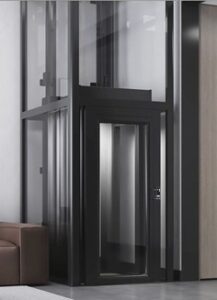
A modern residential lift can be surprisingly compact. Through-floor models can fit within a cupboard stack. Machine-room-less systems avoid bulky plant rooms. Smart car and door sizes work with narrow sites. The right design adds convenience without stealing the soul of your spaces.
Safety, resilience, and peace of mind
Safety is often the quiet driver behind a lift decision. Slips on stairs are a common household injury, especially in winter or after rain. A lift cuts that risk while adding a controlled, predictable way to move between floors.
Canny lifts include safety systems like interlocks that keep doors closed until the car stops, light curtains that sense a hand or bag, and emergency lowering that brings the car to the nearest level during a power cut. Every model supplied here is engineered to meet or exceed New Zealand Building Code requirements. That means your home’s access is reliable in daily use and ready for the unexpected.
The cost conversation you actually need to have
People often compare a lift against doing nothing. A better comparison is between a lift, relocating bedrooms to the ground floor, or moving house. When you lay it out, a lift can be the most cost-effective way to keep your address, keep your view, and keep your layout working.
There is the purchase price, of course. There is also the lifetime value: less strain, safer movement, and a wider pool of potential buyers when you sell. Energy use is low with modern drive systems, and servicing is predictable when handled by trained local technicians.
| Option | What you gain | Typical timeline | Disruption level |
| Install a residential lift | Access to every level, future-ready layout | Weeks to a few months | Localised, scheduled |
| Remodel for ground-floor living | Bedroom on entry level, less stair use | Months | Medium to high |
| Move to a new home | Different layout, possible location shift | Months to a year | High, full relocation |
Numbers vary by project, but the pattern is consistent. A well-specified lift adds capability without uprooting your life.
Your project is sending green lights
If you are already planning building work, you may be closer than you think to lift-ready. Architects often stack cupboards, align walls, or include a void that can become a lift shaft later. Even in older homes, small plan tweaks such as integrating a house elevator can open a tidy path between floors.
Look out for these hints that the timing is right:
- Stacked closets that line up between levels
- A stairwell with adjacent space to borrow
- A central hallway that runs floor to floor
- Renovation scopes that include structural work
- Services that can be rerouted with minor changes
These cues translate into faster installs and cleaner finishes. They also help with council consent, because the lift has a clear and compliant route from the start.
World-class engineering meets local know-how
World-Class Engineering. Local Expertise. For New Zealand households, that phrase has to mean two things at once: products proven on the global stage, and people nearby who stand behind the work.
Canny Elevator Co. Ltd was founded in 1997 and has become one of the largest elevator manufacturers in the world. Over 800,000 elevators installed globally. Certified to international standards like CE, ISO, and TUV. A dedicated R&D centre with hundreds of engineers pushing safety and reliability forward. You will find Canny lifts in airports, hospitals, hotels, and homes in more than 100 countries.
Here in Aotearoa, Canny Residential Elevators are supplied and installed by a certified local network. That means site consultations anywhere on the North or South Island, guidance through consent, and installation teams trained to Canny’s global standards. Servicing and parts supply are based here. Help is nearby, and your lift is backed by people who know New Zealand regulations and conditions.

Choosing the right house lift
Selection starts with how you live. Think about who will use the lift, what you need to move, and where the lift will sit in the plan. Then match those needs to features that matter day to day.
- Drive type: Smooth ride quality, low noise, and efficient power draw.
- Footprint: Compact shaft sizes that protect living space and circulation.
- Cabin size and doors: Room for a walker, wheelchair, or pram, with door options that suit your plan.
- Travel height and stops: Enough range for split levels or tall ceiling heights.
- Safety systems: Interlocks, light curtains, emergency lowering, and onboard phone.
- Energy and sustainability: Frugal operation with modern motors and controls.
- Finish choices: Car walls, flooring, lighting, and buttons that suit your interior style.
- Compliance and certification: Fully compliant with NZ Building Code and local council requirements.
- Aftercare: Genuine parts, trained technicians, and predictable servicing.
With a short-list like this, a site visit brings clarity fast. You will see what fits, what it looks like, and what the install will involve.
What installation looks like in New Zealand
The process is straightforward when you have a clear path between floors and a team that knows local rules. It starts with a consultation on site. Measurements, structure, and services are reviewed, and you get practical advice on placement and model options. If you are mid-design, your architect and builder can be looped in early.
Consent follows where required under the Building Act. Canny’s local team provides guidance on documents and drawings, which keeps the paperwork tidy. Once approved, builders prepare the shaft or aperture, get services in place, and ready the site.
Lift installation is typically a matter of days on site, with commissioning and safety checks included. Training happens at handover, so everyone in the home understands operation and basic care. After that, scheduled servicing keeps everything within spec and performing as designed. Most modern residential lifts run quietly and sip power, so daily life settles back to normal quickly.
You can keep your view, your layout, and your lifestyle
A house elevator does more than solve a stair problem. It makes every level welcome, opens spaces that were being ignored, and invites people to use the home fully. That is just smart design.
Canny Residential Elevators combine proven global engineering with support right here in New Zealand. If you are seeing the signs, ask for a site consultation and talk through options tailored to your home. Build new with confidence, or retrofit without losing the character you love.